Autism Mom Life Messy Bun: A Designer's Review
As a professional embroidery digitizer and product reviewer, I approach every new graphic with a specific question: will this actually stitch out well on real fabric? When evaluating the Autism Mom Life Messy Bun design, my focus shifts immediately from the screen to the hoop. This graphic carries a distinct emotional weight and cultural relevance within the crafting community, but translating a digital vector into a tactile machine embroidery design requires careful consideration of line weight, negative space, and fabric interaction. For Etsy sellers, craft business owners, and makers creating personalized gifts, understanding the practical limitations and strengths of this artwork is essential before committing thread to fabric.
Visual Personality and Emotional Resonance
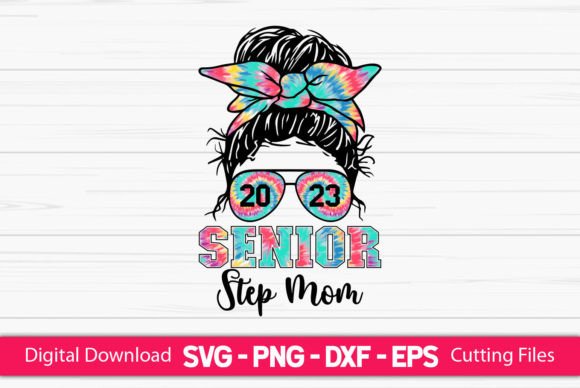
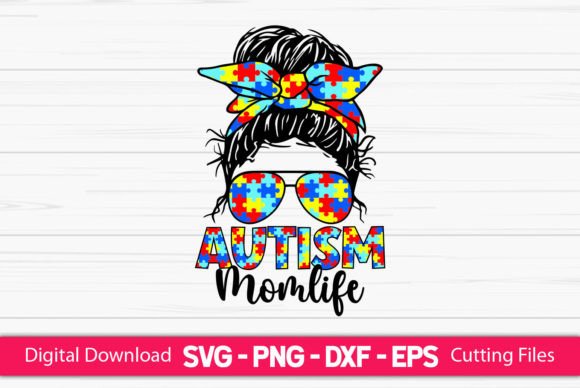
The first impression of the Autism Mom Life Messy Bun is one of relatable authenticity. In the world of Graphics and Crafts, this aesthetic has become a powerful symbol of solidarity, resilience, and the beautiful chaos of parenting. Visually, the messy bun silhouette offers organic curves that are generally forgiving in embroidery, unlike rigid geometric shapes that demand perfection. The mood is casual yet purposeful, making it an ideal candidate for custom apparel and lifestyle accessories rather than formal wear.
From a design hierarchy perspective, the layout typically balances the illustrative element with typography. As a reviewer, I look for how these elements interact. Does the text wrap naturally around the bun, or does it feel forced? For an embroidery project, integrated layouts are superior because they reduce jump stitches and create a cohesive unit. This design’s inherent style suggests it belongs on items that see daily use and washing, such as sweatshirt embroidery, tote bag design projects, or casual caps. It communicates identity instantly, which is crucial for buyer engagement and brand recognition in a crowded handmade marketplace.
Real-World Application: Stitching a Support Group Tote
To truly evaluate this asset, I mentally placed it into a recent commission scenario: creating branded tote bags for a local autism support network. The goal was to produce a handmade product that felt personal but professional enough for organizational use. The Autism Mom Life Messy Bun was selected for its immediate visual communication.
In this real-life application, the challenge was scale. Tote bags offer ample space, but the design needed to be legible from a conversational distance. I had to consider whether the original digital file could be resized without losing integrity. If utilizing this as an applique design, the messy bun shape provides excellent coverage for fabric scraps, adding texture and reducing overall stitch density. However, if stitching it out entirely in thread, the detail level in the hair strands becomes the critical failure point. On a canvas tote, a fill stitch works beautifully for the bun, while a satin stitch border defines the edges against the coarse fabric texture. For the text, a sturdy column stitch ensures readability even after repeated washes. This scenario highlights that the design performs best when treated as a mixed-media opportunity rather than a flat print.
Navigating Fabric Textures and Hoop Constraints
Not every substrate is friendly to the intricate lines often found in messy bun graphics. As an experienced designer, I must emphasize where caution is required. While this design shines on stable cottons and fleece, it demands respect when applied to challenging materials.
- Stretchy Fabrics: When applying this to performance tees or baby onesies for baby embroidery, the tension can distort the circular shape of the bun. You must verify your stabilizer choice; a cut-away is non-negotiable here to prevent the "messy bun" from becoming a distorted oval after laundering.
- Textured Surfaces: On terry cloth towels or plush blankets, fine details like individual hair wisps or thin script fonts will sink into the pile. For these holiday embroidery or nursery projects, you may need to add a topping or simplify the design elements to maintain clarity.
- Curved Substrates: Caps and curved sleeves present unique geometry. The horizontal span of the text in Autism Mom Life Messy Bun might exceed the safe stitching area of a standard cap frame. Always confirm your hoop size limits before purchasing or digitizing.
- Dark Fabrics: Contrast is king. If stitching white thread on navy sweatshirts, ensure the underlay is sufficient to prevent the fabric color from bleeding through the stitches, which muddies the design's impact.
Technical Considerations for Commercial Sellers
For those selling finished goods or using this as part of a commercial embroidery workflow, consistency builds trust. Customers expect the same quality across different sizes and products. Because this product listing specifies SVG, PNG, DXF, and EPS formats intended for cutting machines, embroidery designers must exercise due diligence. These are vector and raster formats, not native embroidery files like DST or PES.
This distinction is vital. You cannot load an SVG directly into most embroidery machines without conversion or redigitizing. Before listing a small shop product featuring this art, you must either digitize it yourself or purchase a pre-digitized digital embroidery file. Do not assume the vector lines translate perfectly to stitch paths. Vectors have no concept of pull compensation, trims, or tie-offs. A professional review of this asset involves testing the digitized version on scrap fabric first. Check for registration issues between the bun and the text. Verify that the thread colors match the intended palette, especially if using specific awareness ribbons or symbolic hues associated with the autism community.
Enhancing Product Value Through Presentation
The visual appeal of Autism Mom Life Messy Bun extends beyond the physical stitch-out. For digital product sellers and makers, presentation dictates perceived value. When creating printable mockups or listing photos, show the design on realistic textures. A flat digital image does not convey the tactile nature of embroidery. Photographing the actual stitched sample on a model or styled flat lay demonstrates professionalism and helps buyers visualize the finished product.
Furthermore, consider the licensing and ethical use of this imagery. Since this design touches on a sensitive and personal aspect of family life, ensure your usage respects the community. Authenticity sells better than appropriation. When marketing design assets or finished items, highlight the technical quality—mention the stabilizer used, the thread type, and the care instructions. This transparency reassures buyers that the embroidered patch or garment was made with expertise, justifying a higher price point and fostering customer loyalty.
Final Designer Verdict and Best Practices
The Autism Mom Life Messy Bun is a high-potential asset for the right maker. Its strength lies in its emotional connection and versatile silhouette, making it suitable for everything from wedding gifts for neurodiverse families to everyday advocacy wear. However, success depends entirely on execution.
My practical advice for integrating this into your workflow is methodical:
- Verify File Compatibility: Confirm you have the correct embroidery format before starting. The provided files are for cutting; ensure you have or create the proper stitch file.
- Test Stitch Density: Run a sample on your target fabric. Adjust density if the design feels too stiff (bulletproof) or too sparse.
- Evaluate Small Details: If resizing down for a baby bib or sleeve cuff, remove micro-details that will turn into thread nests.
- Check Licensing: Explicitly confirm commercial rights for both the digital file and any finished items you intend to sell.
- Mockup Realistically: Use black and white mockups to test contrast and light/dark fabric backgrounds to ensure visibility.
Ultimately, this design serves as a bridge between digital art and tangible support. Whether you are an Etsy seller expanding your niche or a hobbyist making a personalized gift, treating Autism Mom Life Messy Bun with technical respect ensures the final result honors both the craft and the cause. By focusing on proper stabilization, appropriate fabric selection, and honest presentation, you transform a simple graphic into a meaningful, high-quality embroidered product that resonates deeply with its audience.