Best Mom Laser Cut File: An Embroidery Designer’s Review
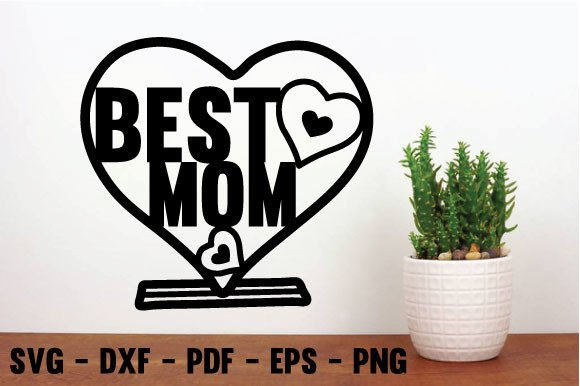
As a designer who bridges the gap between digital vector art and tangible textile products, I approach every new asset with a critical eye. When evaluating the Best Mom Laser Cut File, my first thought isn't just about how it looks on a screen, but how it translates into thread. While this product is marketed primarily as a vector file for laser cutting, CNC routers, and vinyl cutters like Cricut or Silhouette, its clean lines and bold typography make it a compelling candidate for adaptation into a machine embroidery design. For Etsy sellers, craft business owners, and makers looking to expand their personalized gift offerings, understanding the crossover potential of this graphic is essential for creating high-value merchandise.
First Impressions: Visual Weight and Stitch Translation
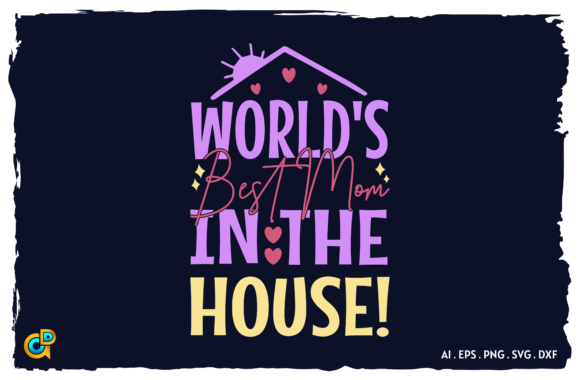
Upon opening the Best Mom Laser Cut File, the immediate strength is its structural integrity. As a Graphics asset intended for physical cutting, the paths are closed, smooth, and free of the jagged nodes that often plague converted clipart. For an embroidery digitizer or someone using auto-digitizing software, this is a massive advantage. The design carries a modern, sentimental weight without being overly ornate. It feels purposeful.
In terms of mood, this design strikes a balance between boutique professionalism and heartfelt sentiment. It avoids the cursive script tangles that can become thread nests on fabric, opting instead for shapes that allow for clear satin stitch borders or manageable fill stitch areas. Visually, it suggests itself naturally for home decor and apparel. It doesn't look like a generic clip-art insertion; it looks like a brandable element that could anchor a collection of custom apparel or nursery items. For a handmade product line, this level of visual clarity builds customer trust before they even see the physical item.
Real-World Application: The Custom Sweatshirt Test
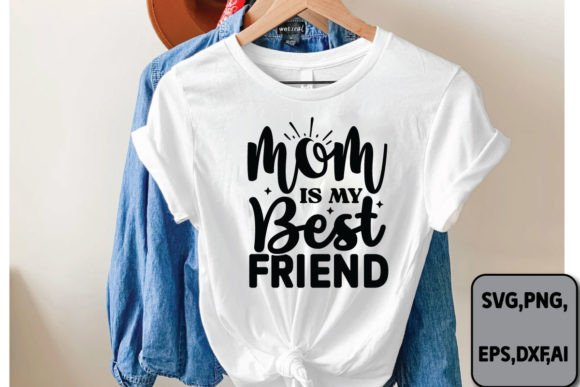
To truly evaluate this file, I mentally placed it in a real production scenario: creating a premium "Best Mom" crewneck sweatshirt for a Mother’s Day capsule collection. This is a staple embroidery project for many small shops. The challenge with sweatshirt fleece is texture; it can swallow fine details. Because the Best Mom Laser Cut File was originally designed for laser precision, the letterforms possess enough width to accommodate the loft of fleece without losing legibility.
In this scenario, I would treat the vector shapes as guides for an applique design. Using the laser-cut aesthetic as a template allows for crisp fabric edges that mimic the precision of a CNC machine but with the warmth of textiles. Alternatively, if stitching directly, the bold geometry supports a dense satin stitch that sits beautifully on top of the fabric pile. This application transforms a simple digital download into a high-perceived-value finished product. Customers respond to this clarity; it reads as professional commercial embroidery rather than a hobbyist experiment. Whether applied to a tote bag design, an apron, or a pillow cover, the file’s inherent balance ensures the "Best Mom" message remains the focal point without overwhelming the garment's silhouette.
Navigating Fabric Limitations and Hoop Constraints
However, versatility requires caution. Just because a vector scales infinitely doesn't mean the resulting embroidery will perform well at every size. When adapting the Best Mom Laser Cut File for smaller items like baby onesies or caps, you must respect the physics of thread.
- Small Text and Details: If the file includes sub-text or intricate flourishes, these may need to be simplified for baby embroidery or cap hoops. Tiny elements that cut perfectly on a laser may turn into perforated holes when stitched on stretchy jersey knit.
- Stretchy Fabrics: On performance wear or thin knits, the design’s density matters. A solid fill derived from this vector might cause puckering if not paired with the correct stabilizer. Always consider a cut-away stabilizer for stretch fabrics to maintain the shape’s integrity after washing.
- Curved Surfaces: For embroidered patch creation or hat embroidery, the flat geometry of the laser file may need distortion compensation. What looks straight in Illustrator may bow on a curved cap brim.
- Dark vs. Light Fabrics: Test the contrast. If the design relies on negative space (common in laser files), ensure your thread colors provide sufficient definition against dark navy or black sweatshirts. You may need to add an underlay or outline to prevent the fabric color from muddying the design.
Elevating Product Value and Brand Consistency
For digital product sellers and makers, consistency is currency. Using a high-quality source file like the Best Mom Laser Cut File elevates your entire catalog. When customers browse your shop, they should recognize a cohesive style. This file’s clean aesthetic pairs exceptionally well with minimalist branding, making your printable mockup images look sharper and more enticing.
Beyond aesthetics, there is a practical value proposition. Designs derived from precise vectors tend to stitch out faster and with fewer errors than traced raster images. Less time at the machine means higher margins for your small shop product line. Furthermore, when you offer a product that looks intentional and polished, you justify a higher price point. A muddy, poorly digitized "Mom" shirt competes on price; a crisp, professionally executed piece based on superior design assets competes on quality. This distinction is vital for Etsy seller success in a saturated market.
Essential Pre-Production Checklist for Makers
Before you commit this design to fabric or list it in your store, run through this practical validation process. Do not assume compatibility based solely on the file type.
- Verify Licensing: Confirm whether the license covers commercial use for finished embroidered goods versus digital resale. The description mentions laser and CNC use; ensure embroidery rights are included or clarified.
- Check Vector Integrity: Open the file in your digitizing software. Ensure all paths are closed and there are no overlapping lines that could cause double-stitching or needle breaks.
- Test Stitch Density: Create a test swatch on the exact fabric you intend to sell. Check the back of the embroidery; excessive bobbin thread indicates the density is too high for that specific material.
- Mockup Validation: Create both light and dark background mockups. Sometimes a design that pops on white disappears on heather grey. Adjust your thread colors accordingly before listing.
- Wash Test: If this is for a holiday embroidery item or daily-wear custom apparel, wash and dry the test sample. Laser-style designs with sharp corners can sometimes fray if the satin stitch column is too narrow. Adjust edge settings if necessary.
- Hoop Size Confirmation: Measure the design’s actual dimensions. Ensure it fits comfortably within your machine’s maximum sewing field with adequate margin for the hoop grip, especially for larger wall art or blanket projects.
Final Thoughts for the Creative Entrepreneur
The Best Mom Laser Cut File represents a smart intersection of technology and craft. While born for the laser cutter, its disciplined geometry offers a fantastic foundation for textile artists willing to do the due diligence of proper adaptation. For the creative entrepreneur, it serves as a reminder that great embroidery starts with great art. By respecting the original intent of the vector while applying textile-specific best practices, you can transform this digital asset into a best-selling personalized gift that honors both the medium and the message. Always prioritize testing over speed, and let the quality of your finished product speak to your expertise.