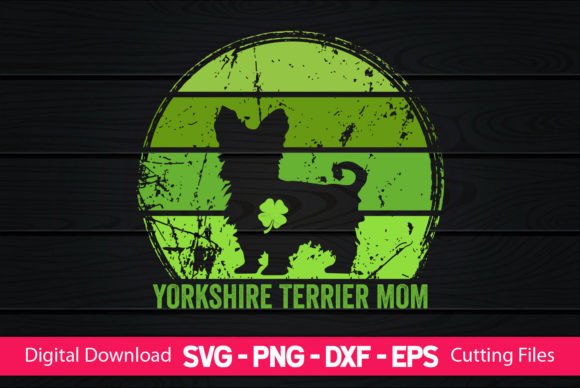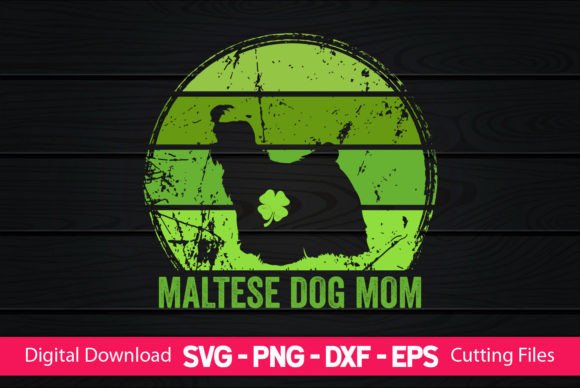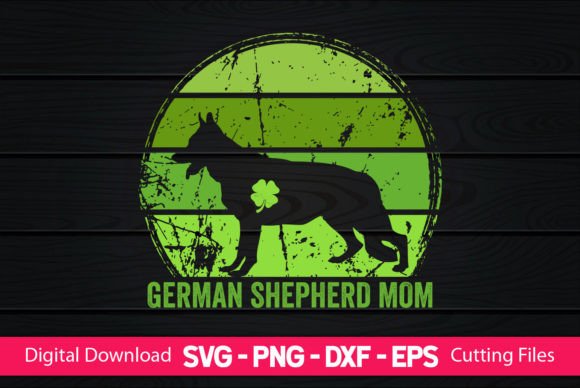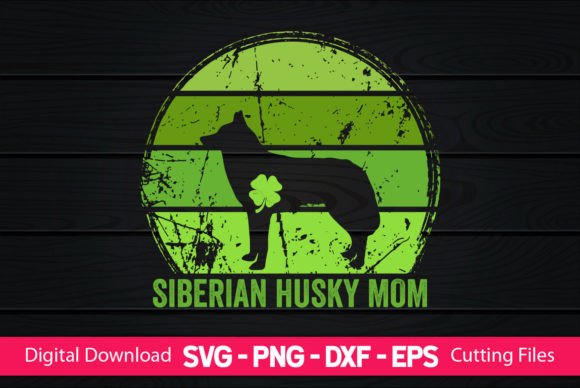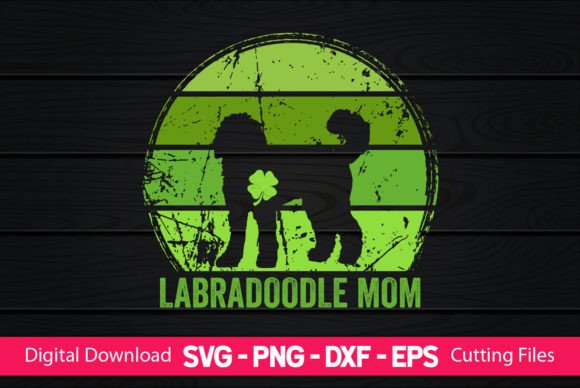
Labradoodle Mom St Patrick’s Day Design Review
As a designer who spends more time behind an embroidery machine than a computer screen, I approach every new digital asset with a healthy dose of skepticism. When evaluating the Labradoodle Mom St Patrick’s Day graphic for potential use in my own production line, my first thought isn't about how cute it looks on a monitor; it is about how those vector lines will translate into actual thread tension and fabric stability. This design sits at the intersection of two highly passionate niches: dog moms and holiday enthusiasts. For any Etsy seller, small shop product creator, or hobbyist looking to expand their seasonal catalog, this specific intersection offers high engagement potential, but only if the execution respects the limitations of textile art.
Translating Vector Graphics to Stitch Reality
The product description identifies this as a print-ready file for Cricut and Silhouette, providing SVG, PNG, DXF, and EPS formats. As an embroidery professional, I immediately recognize that these are vector and raster graphics, not native machine embroidery files like DST or PES. This distinction is critical. Before this Labradoodle Mom St Patrick’s Day artwork can become a sweatshirt embroidery project or an embroidered patch, it must be properly digitized. The clean lines of an SVG are perfect for tracing, but they do not contain stitch direction, density, or underlay data.
When I look at the visual personality of this design, I see a playful, likely illustrative style typical of modern Crafts and Graphics. The mood is celebratory and affectionate. However, translating this into a machine embroidery design requires strategic decision-making. If the original graphic features intricate shading or tiny text elements common in St. Patrick’s Day clipart, a direct auto-digitize will fail. I would recommend breaking this down into distinct zones. The lettering "Labradoodle Mom" should be handled with careful satin stitch columns or specialized font digitizing to ensure legibility, while the dog illustration might benefit from a mix of fill stitch for body mass and running stitch for fur texture to prevent bulletproof stiffness.
Real-World Application: The Spring Market Tote Bag
To truly judge the viability of this design, I mentally placed it onto a canvas tote bag intended for a local spring craft fair. Tote bags are a staple handmade product because they offer a flat, stable surface ideal for detailed embroidery. In this scenario, the Labradoodle Mom St Patrick’s Day design serves as the primary focal point.
For a tote bag design, scale is everything. A 4x4 hoop size might render the Labrador curls too small to distinguish, turning the dog into a muddy blob of green thread. I would aim for at least a 5x7 or 6x10 hoop size to allow the details to breathe. When stitching on unlined canvas, stabilizer choice becomes paramount. I would use a medium-weight cutaway stabilizer rather than tear-away to support the stitch density of the holiday graphics and prevent the fabric from puckering around the satin stitch borders. The result would be a durable, washable item that appeals directly to the customer identity of being both a pet lover and a holiday celebrant.
Navigating Fabric Variables and Technical Constraints
While the tote bag scenario is straightforward, applying this design to custom apparel introduces complexity. Sweatshirt embroidery on fleece presents different challenges than canvas. Fleece has a high pile and significant stretch. If the Labradoodle Mom St Patrick’s Day design contains thin connecting lines or isolated decorative accents, they risk getting lost in the fabric texture or causing registration errors.
I advise extreme caution when using this design on dark fabrics without modification. Many St. Patrick’s Day graphics rely heavily on green tones. On a forest green sweatshirt, a green embroidery file lacks contrast and visibility. You may need to add a white outline or background fill stitch to create separation. Conversely, on light fabrics, ensure your thread colors have enough saturation to stand out against heathered textures. Always test the design on scrap fabric first. A printable mockup is excellent for sales listings, but a physical stitch-out is mandatory for quality assurance.
Furthermore, consider the end-use of the finished product. Baby embroidery items require softness. If the original graphic is dense with overlapping fill stitches, it could create a stiff, uncomfortable patch on a onesie. In such cases, I would simplify the design, perhaps using applique techniques for the larger shapes to reduce stitch count and maintain fabric drape. Always check whether the design works for both personal and commercial projects by reviewing the specific license terms before selling finished items, as intellectual property rules vary significantly between digital assets.
Commercial Viability for Creative Entrepreneurs
For the creative entrepreneur or boutique owner, this design represents more than just a pretty picture; it is a targeted marketing asset. The specificity of "Labradoodle Mom" targets a buyer who is statistically more likely to purchase personalized gifts than a generic "dog lover." During the St. Patrick’s Day season, search volume for niche holiday apparel spikes. By offering this as a custom apparel option, you bridge the gap between seasonal urgency and evergreen pet passion.
However, professionalism dictates consistency. If you are selling this across multiple platforms, ensure your presentation matches the quality of your stitching. Use high-quality photos of the actual embroidered item, not just the digital file. Customers trust sellers who show the texture of the thread and the reality of the product. When creating Etsy listings, clearly state that this is a stitched item derived from a digital design, managing expectations regarding color variations and fabric choices. This transparency builds buyer engagement and reduces returns.
Essential Designer Notes for Successful Execution
Before loading this Labradoodle Mom St Patrick’s Day file into your digitizing software or sending it to a contract digitizer, run through this practical checklist:
- Verify File Integrity: Confirm the SVG or EPS opens cleanly in your vector software. Ragged nodes in the source file will result in jagged stitch paths.
- Assess Detail Level: Identify elements smaller than 2mm. These often cannot be rendered reliably in thread and should be removed or simplified during the digitizing process.
- Plan Thread Colors: St. Patrick’s Day palettes can be neon-heavy. Test thread colors against your base fabric under natural lighting to avoid garish contrasts that look cheap.
- Check Licensing: Since the provided files are for cutting machines, confirm you have the rights to digitize and sell the resulting embroidered products commercially.
- Mockup vs. Reality: Create black and white mockups to evaluate value contrast independent of color. If the design reads poorly in grayscale, it needs better definition in stitch type or density.
- Stabilizer Strategy: Match your stabilizer to the fabric weight and stitch density. Never assume one stabilizer fits all holiday embroidery projects.
Ultimately, the Labradoodle Mom St Patrick’s Day graphic is a charming foundation for seasonal merchandise, but its success relies entirely on the maker's technical interpretation. Whether you are creating a personalized gift for a friend or stocking your online shop for March sales, treat the transition from screen to stitch with respect. The difference between a mediocre craft and a premium handmade product lies in understanding how digital lines behave when they become physical thread. By approaching this design with a critical, experienced eye, you ensure that your final output honors both the festive spirit and the quality standards your customers expect.