On My Mom's Last Nerve: Retro SVG Review
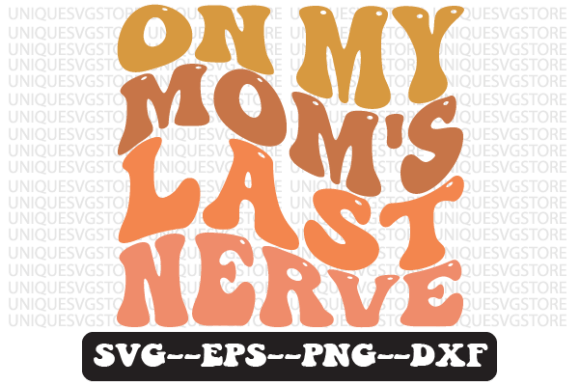
As a professional embroidery digitizer and product reviewer, I approach every new graphic asset with a specific question: will this actually stitch out well, or is it just a pretty screen image? When evaluating the On My Mom s Last Nerve Retro Wavy Svg, my immediate focus is on the intersection of vintage aesthetics and modern machine embroidery limitations. This design captures a very specific cultural mood—relatable parenting humor wrapped in a nostalgic 70s visual style—but translating those wavy lines and retro typography into thread requires careful consideration.
In the world of Crafts and digital Graphics, there is often a disconnect between what looks good in a sublimation mockup and what performs on a hoop. This review breaks down the practical realities of using this specific retro wavy design for real-world embroidery projects, helping you avoid production headaches and ensure your finished products meet customer expectations.
First Impressions: Visual Mood and Stitch Translation
The first thing that strikes me about On My Mom s Last Nerve Retro Wavy Svg is the fluidity of the lettering. The "wavy" aspect is visually engaging and softens the potentially sharp message of the text. From a design perspective, this curvature is excellent for apparel because it mimics the natural drape of fabric better than rigid, blocky text. However, for an embroiderer, curves present unique challenges.
When I look at this file, I am immediately assessing the stroke width. Retro wavy fonts often vary in thickness to create that hand-drawn feel. For a successful machine embroidery design, these varying widths need to be interpreted correctly. If the original SVG has extremely thin sections, they may require a running stitch or a narrow satin stitch. If the waves are too thick, they might demand a fill stitch to prevent excessive density. The visual personality here is playful and distressed, which means perfection isn't the goal, but structural integrity is. A design that looks intentionally retro should still have clean jump stitches and proper underlay; otherwise, it just looks like poor digitizing.
Real-World Application: The Custom Sweatshirt Test
To truly evaluate this asset, let’s apply it to a common scenario for Etsy sellers and small business owners: creating a custom embroidered sweatshirt for a Mother’s Day pop-up shop. Sweatshirts are typically fleece-backed cotton or poly-blends, which have a distinct pile and texture.
In this context, On My Mom s Last Nerve Retro Wavy Svg serves as a strong centerpiece. The retro aesthetic pairs naturally with heather gray, cream, or muted sage sweatshirts. However, because fleece is textured, the wavy details of this design could get lost if the stitch density isn't adequate. When stitching this out, I would prioritize a robust cutaway stabilizer to prevent the fabric from shifting. The wavy nature of the text means the needle is constantly changing direction; without proper stabilization, you risk registration issues where the outline doesn't match the fill, making the "last nerve" theme ironically frustrating for the maker.
For a tote bag design, the application changes. Canvas is stable but unforgiving. Here, the retro wavy style works beautifully as a large-scale back print or a centered chest logo. The key is ensuring the embroidery file has been resized appropriately. Stretching a vector SVG is easy; stretching an embroidery pattern can distort stitch angles. If you are adapting this for tote bags, verify that the wave proportions remain consistent after resizing to fit your specific hoop size.
Navigating Fabric Limitations and Hoop Constraints
While this design is versatile, there are specific environments where On My Mom s Last Nerve Retro Wavy Svg demands caution. As someone who has ruined plenty of test garments, I urge you to consider the following constraints before committing to a full production run.
- Stretchy Performance Fabrics: The continuous flow of wavy text creates long stitch runs. On high-stretch activewear or thin baby onesies, these long runs can cause tunneling or fabric puckering. If using this for baby embroidery, consider breaking up the design or adding more anchor points to distribute tension.
- Curved Surfaces: Placing a wide, wavy design on a structured cap is risky. Caps have a limited flat sewing area. Unless the design has been specifically digitized for caps (with a center-out stitch sequence), the waves may distort at the edges. Always test on a curved surface first if selling hats.
- Dark vs. Light Fabrics: Retro designs often rely on color contrast. If you are stitching this on black fabric, ensure your thread colors are vibrant enough to pop. Pastel threads on dark backgrounds can sometimes look muddy unless you use a white underlay base. Conversely, on white fabric, ensure the design has enough definition so it doesn't wash out visually.
- Tiny Details: If the SVG includes small decorative elements like stars or flowers alongside the text, check their size. Anything under 4mm in height risks becoming a thread nest. For commercial embroidery, clarity trumps complexity. It is better to omit tiny accents than to deliver a product with messy stitching.
Commercial Viability and Customer Perception
For creative entrepreneurs, the value of On My Mom s Last Nerve Retro Wavy Svg extends beyond the stitch count. It lies in marketability. This specific phrase taps into a high-demand niche of relatable parenting content. The retro styling elevates it from a simple meme to a fashionable statement piece.
However, customer trust is built on execution. When listing this as a handmade product or personalized gift, your photos must accurately represent how the wavy text interacts with the garment. Use printable mockups for digital listings, but always include at least one photo of the actual stitched result. Buyers need to see that the waves are smooth and the text is legible. A professional finish signals that you understand your craft, distinguishing your shop from competitors who might simply slap a low-quality file onto a shirt.
Furthermore, consider the licensing. The product description mentions receiving DXF and EPS files, which are standard vector formats. Before selling finished items or offering this as part of a bundle, confirm the commercial usage rights. Protecting your craft business means respecting intellectual property while leveraging these design assets effectively.
Designer Notes for Successful Execution
Before you thread your needle or send this file to a contract embroiderer, run through this practical checklist derived from years of testing similar retro graphics:
- Test Stitch is Mandatory: Never assume a converted SVG is stitch-ready. Run a test on scrap fabric that matches your final project's weight and texture. Check for puckering around the curves.
- Verify File Integrity: Since you receive DXF and EP files, ensure your software reads the nodes correctly. Sometimes conversions create overlapping paths that increase stitch density unnecessarily, leading to stiff embroidery or needle breaks.
- Color Mapping: Retro palettes are specific. Don't guess. Create a thread chart that matches the intended vintage vibe. Muted oranges, warm browns, and creamy yellows work best for this aesthetic. Bright primary colors can make the design look cheap rather than retro.
- Stabilizer Selection: Match the stabilizer to the fabric, not the design. For knit sweatshirts, use cutaway. For woven tea towels, tear-away may suffice. For sheer or stretchy fabrics, consider water-soluble toppings to keep the wavy stitches from sinking into the fabric grain.
- Mockup Reality Check: Compare your digital preview against a black-and-white stitch simulation. This reveals density issues that color masks. If the waves look solid blocks of ink in B&W, they will be bulletproof on the shirt. Adjust density accordingly.
Ultimately, On My Mom s Last Nerve Retro Wavy Svg is a promising asset for makers who appreciate the blend of humor and vintage style. Its success in your shop depends entirely on technical respect for the medium. By treating this graphic not just as a picture, but as a roadmap for thread, you transform a digital file into a cherished, wearable reality. Whether you are creating a holiday gift, stocking your Etsy store, or designing boutique merchandise, the difference between a good product and a great one lies in these thoughtful adjustments. Happy stitching!