Mom Hero Salesman Legend: An Embroidery Review
When evaluating a new digital asset for my embroidery business, I look beyond the screen preview to imagine how the design will actually behave under the needle. The Mom Hero Salesman Legend graphic immediately caught my attention as a versatile candidate for both personal gifting and commercial product lines. As an experienced designer, I know that a file looking crisp in a vector program does not always translate seamlessly to thread on fabric. This review breaks down the practical realities of using this specific artwork in real-world crafting scenarios, focusing on stitch integrity, marketability, and technical execution for fellow makers and shop owners.
First Impressions and Visual Hierarchy
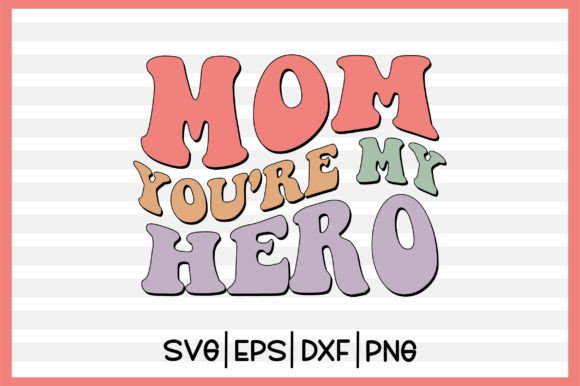
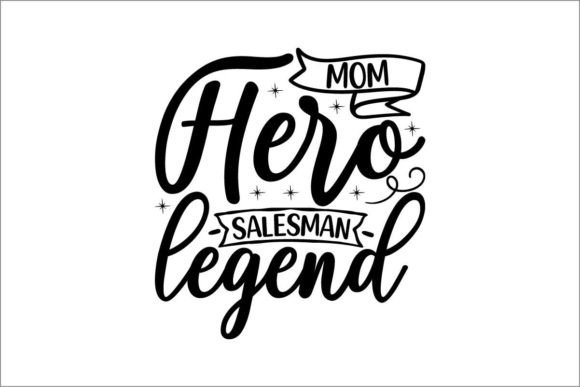
My initial assessment of the Mom Hero Salesman Legend focuses on its visual balance and thematic clarity. The layout suggests a bold, declarative statement that resonates with a specific niche: the multitasking mother who balances family life with professional ambition. From a design perspective, the typography appears structured enough to support various stitch types without losing legibility. The inclusion of isolated white and black background versions in the download is a significant advantage. It allows me to instantly visualize contrast without needing to manipulate the file extensively before digitizing or printing mockups. For an Etsy seller or boutique owner, this duality means faster turnaround times for creating listing photos that show the design on both light and dark garments.
The mood of this graphic strikes a confident yet approachable tone. It avoids being overly cutesy, which makes it suitable for adult apparel and professional accessories rather than just nursery items. When I look at the lines and shapes, I am mentally mapping out where a satin stitch would define the edges and where a fill stitch might be necessary for larger solid areas. The design feels substantial, implying it has enough presence to serve as the focal point of a sweatshirt or tote bag without requiring excessive embellishment.
Real-World Application: The Custom Sweatshirt Test
To truly judge the viability of this machine embroidery design, I envision a specific client project: a custom embroidered crewneck sweatshirt intended as a Mother’s Day gift or a small business uniform piece. Sweatshirt fleece is a forgiving but textured fabric that demands respect during the stitching process. In this scenario, the Mom Hero Salesman Legend serves as a center-chest placement. The key concern here is registration. Because the phrase likely involves stacked text or integrated graphical elements, any shift in the hoop could ruin the alignment.
For this application, I would treat the design as a potential applique design candidate if the lettering is bold enough. Using fabric scraps for the letters can reduce stitch density significantly compared to a full fill stitch, resulting in a softer hand feel that customers prefer on wearable custom apparel. If executing purely in thread, I would verify that the stitch direction follows the natural grain of the design to prevent fabric distortion. A customer receiving this finished product expects professional-grade durability; they want to wash the sweatshirt repeatedly without the threads puckering or the legend fading. This design’s structure appears robust enough to handle standard commercial embroidery stabilizers and 40-weight polyester threads, provided the digitizer has accounted for the push-and-pull compensation inherent in knit fabrics.
Navigating Fabric Limitations and Hoop Constraints
While the Mom Hero Salesman Legend shows promise for heavy goods, caution is required when adapting it for delicate or complex substrates. Not every embroidery file performs equally across all materials. Here are specific considerations based on my testing experience with similar graphics:
- Stretchy Fabrics: On performance wear or thin jersey knits, dense lettering can cause tunneling. Always use a cut-away stabilizer and consider a water-soluble topping to keep stitches from sinking into the weave.
- Curved Surfaces: If applying this to a cap or curved tote bag panel, verify the vertical height fits your specific hoop size. Distortion occurs easily on curves; you may need to resize or separate the design elements to maintain clarity.
- Small Details: Inspect the smallest text elements. If the serifs or internal counters are thinner than 1mm, they may not stitch cleanly. Running stitch outlines often fail on tiny text; converting these to satin stitches or simplifying the font may be necessary.
- Dark Fabrics: Utilize the provided white-background JPG version to create accurate printable mockups before committing thread to dark material. Ensure thread colors have sufficient contrast against black or navy backgrounds to maintain readability.
Understanding these limitations prevents wasted materials and ensures the final handmade product meets professional standards. The versatility of having SVG, DXF, EPS, PNG, and JPG formats helps mitigate some risks, as you can reference the high-resolution vector source to check line weights before stitching.
Commercial Value and Brand Consistency
For creative entrepreneurs and craft business owners, the value of an embroidery project lies in its sellability. The Mom Hero Salesman Legend taps into an emotional identity marker that drives purchases. However, visual appeal alone does not guarantee sales; consistency does. When using this design across multiple products—perhaps matching tea towels, baby embroidery bibs, and mama caps—the stitch style must remain cohesive. If you use a vintage distressed look on the towel but a clean modern satin stitch on the cap, the brand identity fractures.
This graphic supports strong brand recognition because of its distinct phrasing. It moves beyond generic "Mom" merchandise into a specific persona. For digital product sellers offering physical goods, this specificity increases buyer engagement. Customers are more likely to purchase a personalized gift that speaks to their exact lived experience. Furthermore, the availability of multiple file formats facilitates cross-platform marketing. You can use the PNG for website banners, the SVG for vinyl decals on packaging, and the embroidery file for the garment itself, creating a unified unboxing experience that builds customer trust.
Essential Designer Notes for Success
Before loading this design into your machine or listing it in your shop, adhere to these practical protocols to ensure quality and compliance:
- Test Stitch Mandatory: Never run a new embroidery file directly on a sellable item. Stitch out the Mom Hero Salesman Legend on scrap fabric identical to your final project base. Check for thread breaks, tension issues, and registration errors.
- Verify Licensing: While the download includes essential formats like DXF and EPS, always confirm the specific license terms regarding commercial use. Clarify whether you can sell finished embroidered items, digital files, or both. Protecting your business starts with respecting intellectual property.
- Stabilizer Selection: Match your stabilizer to the fabric weight, not just the design size. A tear-away might suffice for a woven apron, but a fusible no-show mesh is superior for lightweight baby clothes to prevent scratchiness against skin.
- Mockup Accuracy: Use the isolated JPG assets to create realistic previews. Avoid placing flat digital images on warped 3D templates that misrepresent how the stitch density will actually lay on fabric. Honest presentation reduces returns.
- Thread Color Planning: Review the color chart against your available inventory. If the design requires six specific shades and you only have four close matches, decide if the substitution maintains the design's integrity before starting production.
Final Thoughts on Practical Utility
The Mom Hero Salesman Legend represents a solid addition to a maker’s digital library, provided it is approached with technical mindfulness. Its strength lies in its clear messaging and multi-format accessibility, making it a viable asset for everything from holiday embroidery gifts to year-round boutique staples. By respecting the physics of thread and fabric, and by leveraging the included file types for efficient workflow, crafters can transform this digital graphic into tangible, high-value products. Remember that successful embroidery is a marriage of art and engineering; let your test stitches guide your final production decisions to ensure every legend you create is built to last.