Mom of the Wild One SVG: An Embroidery Review
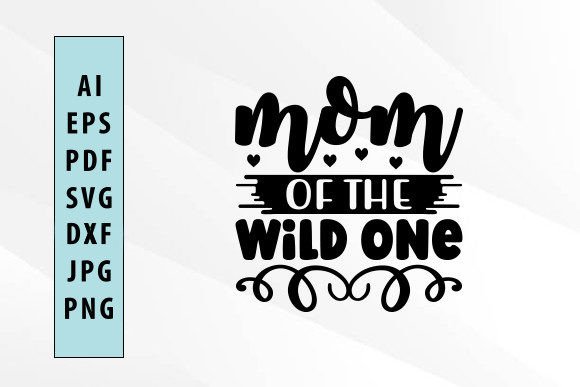
As a professional digitizer and product reviewer, I approach every new graphic asset with a specific question: will this actually stitch out cleanly on fabric? When evaluating the Mom of the Wild One Svg Design, my first impression is that it captures a very specific, trendy aesthetic popular in the handmade community. The typography suggests a boho, organic vibe that appeals directly to modern mothers and nature-loving families. However, as we know in the world of Crafts and Graphics, a beautiful vector file does not always translate seamlessly into a high-quality machine embroidery design. This review breaks down how this specific artwork performs when moved from screen to hoop, focusing on practical application for small business owners and makers.
Translating Vector Typography to Stitch
The Mom of the Wild One Svg Design is provided as an AI vector file in EPS format. For embroidery professionals, this is excellent news because vectors offer clean, scalable lines without pixelation. However, vectors are designed for print, not stitch. Before loading this into your digitizing software, you must assess the lettering style. If the font features varying line weights or distressed textures common in "wild" aesthetics, you will need to make manual adjustments. A standard auto-digitize function often struggles with these artistic nuances, resulting in jagged edges or excessive jump stitches.
For this specific design, I recommend treating the text as a combination of satin stitch and fill stitch depending on the thickness of the letters. Thin, wispy elements should remain as running stitches or narrow satins to maintain that delicate, wild feel. Thicker base letters can handle a light fill stitch, but be wary of density. Overly dense typography on a lightweight garment creates a stiff, bulletproof patch effect that ruins the drape of the fabric. Since this is marketed as a Mother’s Day typography design, legibility is paramount; ensure the smallest details remain distinct after resizing.
Real-World Application: The Custom Sweatshirt Test
To truly evaluate this asset, I visualized a real-life scenario relevant to many Etsy sellers and apparel decorators: creating a custom crewneck sweatshirt for a boutique collection. Sweatshirts are a staple for custom apparel, but fleece presents unique challenges due to its texture and stretch.
In this scenario, the Mom of the Wild One Svg Design serves as a center-chest placement rather than a full-back print. The organic shape of the typography complements the relaxed fit of a crewneck. However, because fleece is textured, fine details in the vector art risk getting lost in the nap of the fabric. When digitizing this for a sweatshirt embroidery project, I would increase the column width of the satin stitches slightly and add an underlay specifically designed for high-pile fabrics. This pushes the fleece down and provides a stable foundation for the top stitches.
From a customer perspective, this design offers high perceived value. It feels personal and niche rather than generic. For a handmade product, this specificity drives sales. Buyers looking for "wild child" or "boho mom" merchandise connect emotionally with this phrasing. As a maker, your goal is to ensure the finished product matches the digital mockup. If the stitching is too dense, the sweatshirt will pucker; if it is too loose, the design looks cheap. Finding that balance is what separates professional commercial embroidery from hobbyist work.
Navigating Fabric Limitations and Hoop Sizes
While the Mom of the Wild One Svg Design is versatile, it requires careful consideration regarding substrate choice. Because the product description highlights use on T-shirts, stickers, mugs, and phone covers, we must address the physical limitations of embroidery versus print.
- Stretchy Knits: When applying this to baby clothes or thin T-shirts, a cut-away stabilizer is non-negotiable. The organic flow of the design means there are likely diagonal stress points. Without proper stabilization, the fabric will distort, and the "Wild One" text may appear warped after washing.
- Small Hoop Sizes: If you plan to use this for baby embroidery or sleeve cuffs, verify the minimum readable size. Intricate serif fonts or decorative swashes often found in this style of graphics cannot be scaled down indefinitely. Test the design at your target size before committing to production.
- Curved Surfaces: Using this on caps or curved tote bags requires re-digitizing. Flat typography rarely wraps correctly around a cylinder without distortion. You may need to arc the text manually to maintain visual balance.
- Dark Fabrics: Ensure you have adequate contrast. If the original vector is a single color, plan your thread colors carefully. White or cream thread on a forest green sweatshirt fits the "wild" theme perfectly, whereas dark thread on black fabric will render the design invisible.
Commercial Viability for Makers and Sellers
For creative entrepreneurs, the value of the Mom of the Wild One Svg Design extends beyond a single project. It is a strong candidate for seasonal inventory, particularly leading up to Mother’s Day or outdoor summer markets. As a digital embroidery file source, it allows for rapid prototyping. You can create multiple variations—perhaps one version with floral accents added via appliqué and another with simple monochrome stitching—to test market demand without significant upfront investment.
However, professionalism dictates due diligence. Always confirm the licensing terms included with the EPS files. While the description mentions usage for print on various items, commercial embroidery rights can sometimes differ from print-on-demand rights. Ensure you are cleared to sell finished embroidered goods or to include this in your own design assets bundle. Additionally, when listing this item in your shop, use high-quality photos of actual stitched samples rather than just digital previews. Customers trust a personalized gift more when they can see the stitch texture and scale in real life.
Essential Pre-Stitch Checklist for Success
Before you run the first production piece using the Mom of the Wild One Svg Design, adhere to this practical workflow to protect your reputation and materials:
- Digitize with Intent: Do not rely solely on auto-digitizing. Manually adjust stitch angles to follow the flow of the typography. This reduces pull compensation issues and enhances the professional look.
- Run a Sew-Out Test: Always test on scrap fabric that matches your final project's weight and weave. Check for registration errors between color changes.
- Evaluate Stabilizer Pairing: Match the stabilizer to the fabric, not just the design. A tear-away might suffice for a canvas tote bag design, but a fusible cut-away is better for knit holiday embroidery.
- Check Small Details: Inspect any dots, stars, or thin connectors in the design. If they are smaller than 1mm, consider removing or enlarging them to prevent needle breaks or thread bunching.
- Create Physical Mockups: Photograph your test stitch-out for your printable mockup or listing images. Real photos convert better than digital renders for small shop products.
- Verify File Compatibility: Although you receive EPS/AI files, ensure your embroidery machine or software can import them correctly for conversion to DST, PES, or JEF formats.
The Mom of the Wild One Svg Design holds significant potential for the embroidery market. Its blend of sentimental value and trendy aesthetics makes it a reliable seller for those who execute it well. By respecting the technical requirements of translating vector graphics into thread, you transform a simple digital download into a premium embroidered patch, garment, or keepsake. Success in this niche isn't just about having the right file; it is about understanding how that file interacts with needle, thread, and fabric to create a lasting impression.