Oh Honey I Am That Mom: A Designer’s Review
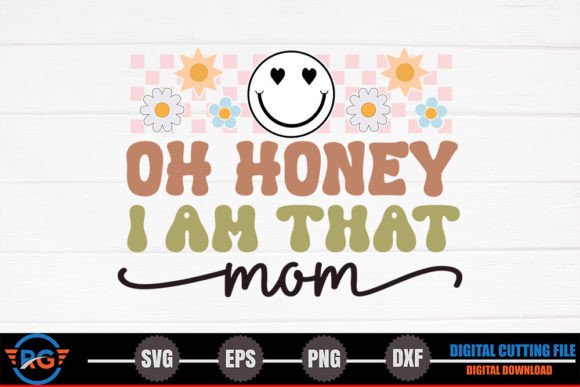
As an embroidery digitizer and product reviewer, I approach every new graphic with a specific question: will this actually stitch out well on a finished product? When evaluating the Oh Honey I Am That Mom – Honey Bee design, my focus shifts immediately from digital aesthetics to physical application. This retro-inspired SVG carries a distinct vintage personality that appeals strongly to modern mothers and boutique shoppers, but translating that screen-based charm into a tangible machine embroidery design requires careful consideration of fabric, density, and end-use.
Capturing the Retro Vibe in Thread
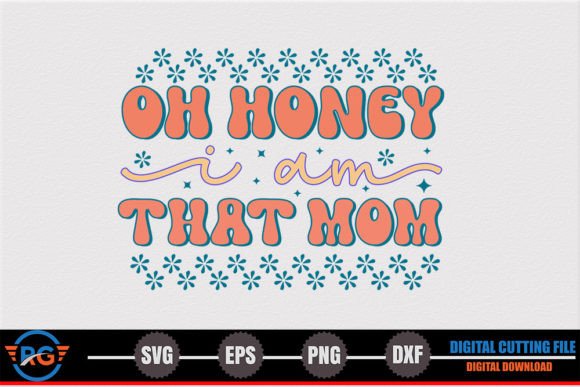
The first impression of Oh Honey I Am That Mom – Honey Bee is undeniably warm and nostalgic. The typography suggests a playful, confident motherhood aesthetic, while the honey bee motif anchors it in the popular cottagecore and retro revival trends currently dominating Etsy and craft markets. For a designer, this visual mood is excellent for creating emotional connections with buyers. However, because this item is provided as editable vector graphics (SVG, EPS, DXF, PNG), the success of the final embroidery project depends entirely on how you interpret these lines into stitches.
The retro style typically implies bold shapes and flowing scripts. In a digital format, these look crisp. In thread, they require strategic planning. If you are converting this digital embroidery file for stitching, you must decide whether to utilize satin stitch columns for the text or a fill stitch for the bee. Satin stitches offer that classic, shiny embroidery look that elevates a handmade product, but they have width limitations. The "Retro" nature of this graphic suggests it could also serve beautifully as an applique design, where fabric pieces create the color blocks rather than dense thread coverage. This distinction is vital for maintaining the design's integrity without creating a bulletproof patch of thread that distorts lightweight garments.
Real-World Application: The Custom Sweatshirt Test
To truly judge the viability of Oh Honey I Am That Mom – Honey Bee, I mentally place it on a high-demand item: a custom embroidered sweatshirt for a mom’s group or boutique launch. Sweatshirts are a staple for Etsy sellers and small shop products, but fleece presents unique challenges. The texture of French terry or fleece can swallow fine details.
In this scenario, the boldness of the "Oh Honey" lettering works in your favor. Thin, delicate serifs often get lost in the nap of a sweatshirt, but the chunky, retro font associated with this design should remain legible. However, when preparing this sweatshirt embroidery, I would advise using a heavier cutaway stabilizer to prevent the design from sinking into the fabric pile. The honey bee element needs particular attention; if the wings are too detailed or thin, they may not register clearly against textured fleece. Simplifying those elements during the digitizing process ensures the finished product looks professional rather than muddy.
Conversely, consider a tote bag design. Canvas is stable and forgiving, making it an ideal substrate for Oh Honey I Am That Mom – Honey Bee. Here, you can afford higher stitch density and more intricate details in the bee’s wings or antennae because the fabric won’t stretch or pucker easily. This versatility makes the graphic a valuable asset for craft business owners who want to offer the same design across multiple product types without redigitizing from scratch, provided they adjust parameters for each material.
Navigating Fabric Limitations and Hoop Sizes
While the aesthetic is versatile, practical execution requires caution. Not every fabric is suitable for this specific retro layout. I would hesitate to use Oh Honey I Am That Mom – Honey Bee on sheer fabrics, lightweight knits, or burnout tees without significant modification. The design likely has enough visual weight that it could drag down thin material, causing distortion even with proper stabilizer.
Hoop size is another critical factor. Retro designs often feature arched text or sprawling layouts. Before committing to a production run, verify that the aspect ratio fits your available hoops. Stretching a design to fit a hoop can distort the circular geometry of the bee or warp the script. If you are working with smaller hoops, such as 4x4, you may need to separate the text from the graphic or resize significantly. Always check the dimensions of the editable files before assuming they will fit your machine’s maximum field.
For baby embroidery or items requiring frequent washing, durability is paramount. Retro styles sometimes include distressed textures or grunge effects in their vector form. These do not translate well to thread. Running stitches meant to simulate distress can turn into snag hazards on baby clothes or kitchen towels. When adapting Oh Honey I Am That Mom – Honey Bee for washable goods, clean up any jagged edges in the vector file and opt for smooth column stitches or secure fill patterns. This ensures the personalized gift remains safe and intact after laundering.
Commercial Value and Professional Presentation
For commercial embroidery and digital product sellers, the value of this asset lies in its editability. The inclusion of EPS and SVG formats means you are not locked into a pre-digitized file. You can adjust thread colors to match seasonal palettes or specific brand identities. This flexibility is crucial for Etsy sellers who need to differentiate their listings. A "Mama Bear" variant might use earth tones, while a summer version utilizes bright yellows and blacks.
However, professional presentation extends beyond color changes. When creating printable mockups or listing photos, ensure the digital preview accurately represents what the needle will produce. Do not simply overlay the PNG onto a shirt image. Customers trust sellers whose mockups reflect reality. If your Oh Honey I Am That Mom – Honey Bee design uses applique, show the fabric texture in the mockup. If it uses satin stitch, ensure the lighting reflects thread sheen. Misrepresenting a digital graphic as a stitched sample erodes buyer confidence and leads to returns.
Furthermore, always confirm licensing terms before selling. While the product description notes the files are editable and color changeable, verify whether you have rights to sell the digitized embroidery file itself versus just the physical custom apparel. Protecting your business means respecting intellectual property boundaries while maximizing the utility of your design assets.
Essential Pre-Stitch Checklist for Makers
Before loading Oh Honey I Am That Mom – Honey Bee into your machine or listing it in your shop, run through this practical checklist to ensure quality:
- Test Stitch on Scrap: Never assume a vector conversion is perfect. Stitch a test run on the exact fabric you intend to sell to check for registration issues between the bee and the text.
- Evaluate Contrast: Check thread colors against both light and dark backgrounds. Retro gold can disappear on cream fabric; ensure there is sufficient contrast for readability.
- Inspect Small Details: Zoom in on the bee’s antennae and wing veins. If they are thinner than 1mm in the vector, they may need to be thickened or converted to running stitch to prevent needle breaks or thread shredding.
- Verify Stabilizer Pairing: Match your backing to the fabric weight. Use tear-away for stable canvas tote bags and cut-away for stretchy sweatshirts to maintain the design's shape over time.
- Check File Compatibility: Although SVG and EPS are standard, ensure your specific embroidery software imports the vectors cleanly without breaking nodes or altering curves.
- Review Density Settings: If digitizing yourself, aim for balanced density. Overly dense retro fills can cause fabric puckering, while sparse fills leave gaps. Adjust pull compensation based on your test stitch results.
Oh Honey I Am That Mom – Honey Bee offers tremendous potential for makers and business owners in the Crafts and Graphics space. Its retro charm aligns perfectly with current market trends, and its editable nature allows for extensive customization. By approaching this design with a technician’s eye—respecting fabric limitations, optimizing stitch types, and validating commercial usability—you can transform a simple digital download into a best-selling embroidered patch, apparel line, or cherished family heirloom. Success in embroidery isn't just about the art; it is about the marriage of artistic vision and mechanical precision.